
📑 Table of Contents ▶
- Balsamic Glazed Chicken Skillet
- Balsamic Glazed Chicken Skillet: Unveiling the Basics
- Fundamentals
- Preparation/setup
- Mastering the Art of a Perfect Balsamic Glaze
- Technique
- Tips/tricks
- Perfecting Your Balsamic Glazed Chicken Skillet
- Perfecting results
- Troubleshooting/variations
- Savoring and Storing Your Balsamic Glazed Chicken Skillet
- Serving/presentation
- Pairings/storage
- Conclusion
- FAQs – Balsamic Glazed Chicken Skillet
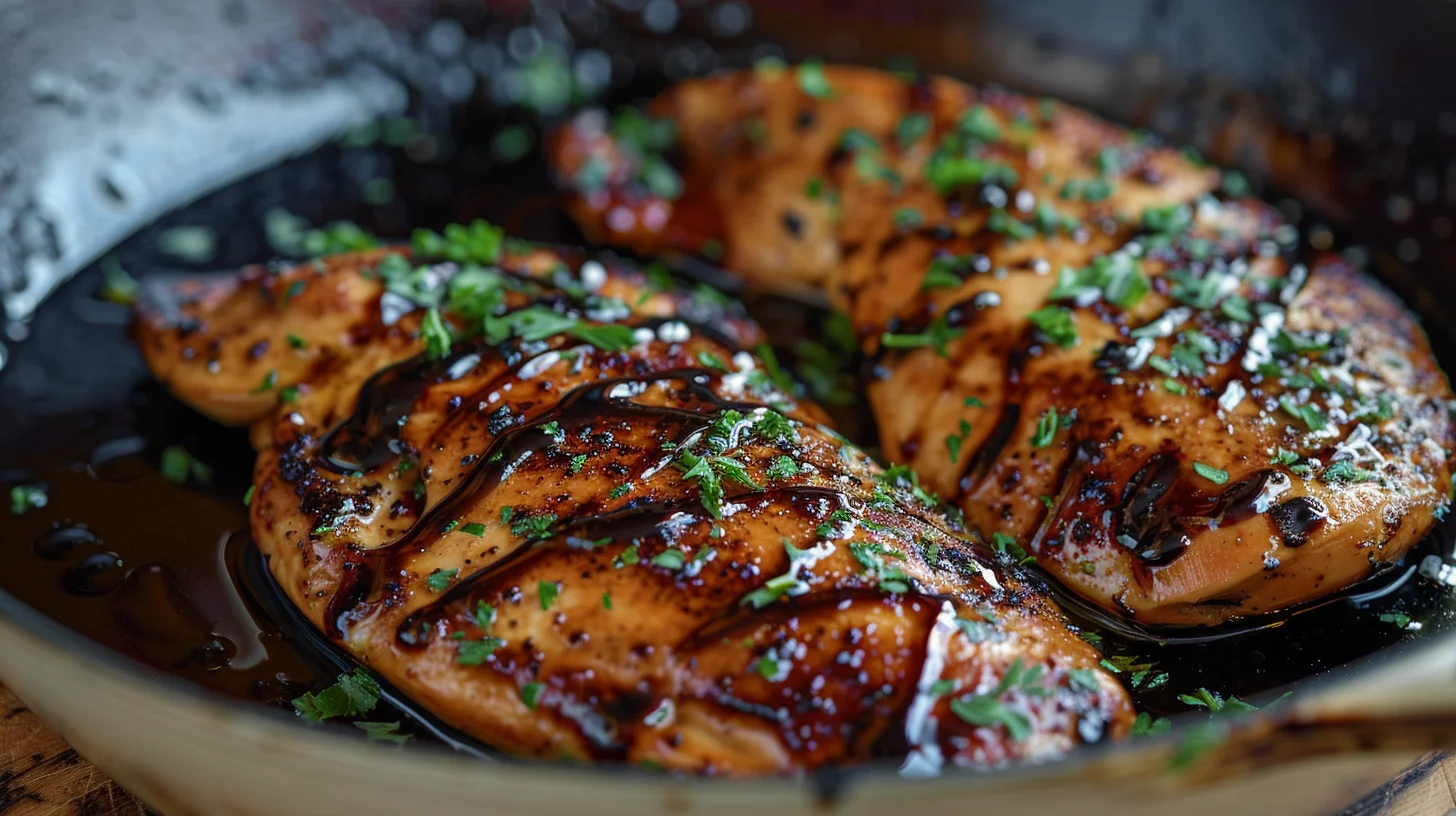
Whenever I think about the perfect weeknight dinner, balsamic glazed chicken skillet always comes to mind. The combination of flavors in this dish is something I cherish, especially after a busy day. The first time I made this dish, I was amazed at how the simplicity of ingredients could result in such a delightful meal that everyone in my family loved.
What I love most about the balsamic glazed chicken skillet is its versatility and ease. This dish not only highlights the tender, juicy chicken but also brings out the rich, tangy notes of the balsamic glaze. It’s the kind of recipe that makes you look like a gourmet chef, even on a weeknight.
The beauty of the balsamic glazed chicken skillet lies in its simplicity. With just a few ingredients and a little time, you can create a meal that tastes like it took hours to prepare. I find that it’s the perfect dish to share with family and friends, making dinnertime a special occasion without any extra fuss.
In this article, we’ll explore how to make the best balsamic glazed chicken skillet step by step. From preparation to serving, I’ll guide you through each stage to ensure your meal turns out perfectly every time.
Print
Balsamic Glazed Chicken Skillet
- Prep Time: 10 minutes
- Cook Time: 10 minutes
- Total Time: 20 minutes
- Yield: 2 servings
- Category: Main Course
- Method: Pan-Searing
- Cuisine: Italian
Description
Learn how to make a delicious Balsamic Glazed Chicken Skillet that is perfect for a quick and easy weeknight dinner. Impress your family with this flavorful recipe!
Ingredients
- 454 g boneless skinless chicken breasts, butterflied and pounded to a thickness of 1 to 1.5 inches
- 1/2 tsp (3 ml) kosher salt
- 1/2 tsp (3 ml) black pepper
- 2 tbsp (30 ml) olive oil
- 2 tbsp (30 ml) beef-based balsamic glaze
Instructions
- Sprinkle both sides of the chicken with kosher salt and black pepper. Warm the olive oil in a large, non-stick skillet over medium-high heat.
- Once the oil is heated, place the chicken in the skillet. Allow it to cook without moving for about five minutes until it achieves a golden brown color on one side. Turn the chicken over and reduce the heat to medium. Apply a thin coat of balsamic glaze to the seared side of the chicken.
- After approximately three minutes, turn the chicken over again so that the glazed side is in contact with the skillet. Spread a thin layer of glaze on the side now facing up. Cook for an additional minute, then flip the chicken one last time and cook for another 30 seconds or until it reaches an internal temperature of 165°F.
- Allow the chicken to rest for a few minutes before cutting and serving.
Notes
- Make sure to flatten the chicken evenly for consistent cooking.
- Use a non-stick pan to prevent sticking and achieve a golden hue.
- Apply a light layer of balsamic glaze for a balanced sweet and tangy taste.
Balsamic Glazed Chicken Skillet: Unveiling the Basics
Fundamentals
The balsamic glazed chicken skillet is all about balance and flavor. You’ll need 454 g of boneless, skinless chicken breasts, butterflied and pounded to about 1 to 1.5 inches thick. This ensures even cooking and allows the seasoning to penetrate the meat thoroughly. The kosher salt and black pepper are essential in enhancing the natural flavors of the chicken.
Olive oil plays a critical role in this recipe. It not only helps in cooking the chicken to a golden brown perfection but also adds a subtle richness to the dish. The balsamic glaze, made with a beef base, brings a deep, savory sweetness that complements the chicken beautifully. For more flavorful chicken skillet ideas, explore this One Skillet Chicken with Garlicky Mushroom Cream Sauce Recipe.
Preparation/setup
Start by preparing your chicken. Butterfly the breasts and pound them to an even thickness of 1 to 1.5 inches. This step is crucial for even cooking. Season both sides of the chicken with kosher salt and black pepper for a flavorful base. Next, heat the olive oil in a large, non-stick skillet over medium-high heat.
Once the oil is hot, place the chicken in the skillet. Allow it to cook without moving for about five minutes, ensuring a golden brown color on one side. This initial sear is key to locking in the juices and achieving that desired texture. After flipping the chicken, reduce the heat to medium and apply a thin coat of balsamic glaze to the seared side. For more balsamic chicken inspirations, check out this Sheet Pan Lemon Balsamic Chicken and Potatoes recipe.
Mastering the Art of a Perfect Balsamic Glaze
Technique
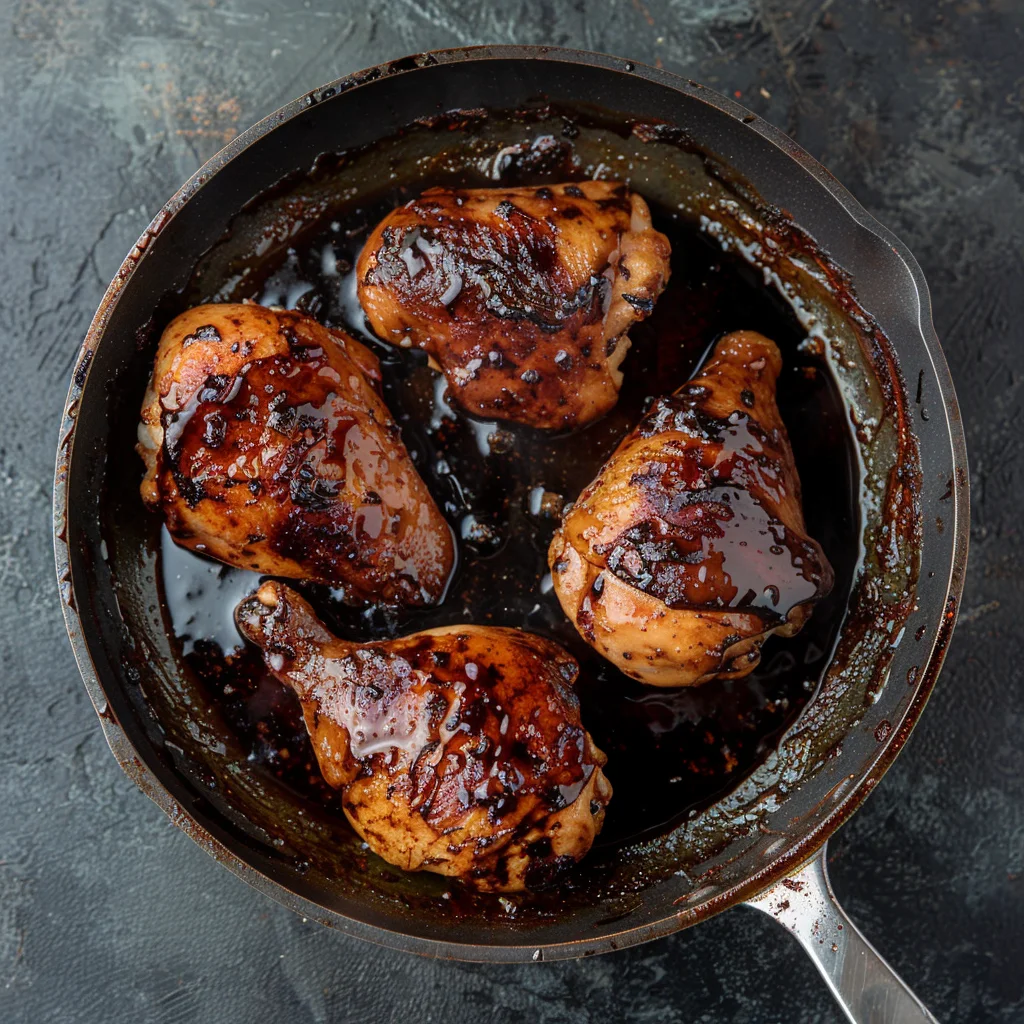
The technique behind a perfect balsamic glazed chicken skillet involves precision and timing. After applying the balsamic glaze to the seared side, let the chicken cook for about three minutes. Then, turn the chicken over so the glazed side is in contact with the skillet. This step helps to caramelize the glaze, adding depth to the flavor.
Balsamic Glazed Chicken Skillet
Next, spread a thin layer of glaze on the side now facing up and cook for an additional minute. Flip the chicken one last time and cook for another 30 seconds or until the internal temperature reaches 165°F. This ensures the chicken is fully cooked while remaining juicy and tender. For more technique tips, explore this Mediterranean Chicken Skillet.
Tips/tricks
To achieve the best results, make sure to preheat your skillet and oil before adding the chicken. This step is crucial for an even sear. Also, avoid overcrowding the skillet, as this can cause the chicken to steam rather than sear. If you’re cooking multiple pieces, do it in batches.
Allow the chicken to rest for a few minutes before cutting. This resting period lets the juices redistribute, ensuring each bite is succulent and flavorful. For more tricks on perfecting chicken dishes, consider trying this One Skillet White Chicken Chili Bake.
Perfecting Your Balsamic Glazed Chicken Skillet
Perfecting results
Perfecting the balsamic glazed chicken skillet requires attention to detail and a bit of practice. Monitor the internal temperature closely to ensure the chicken is cooked to perfection without drying out. A meat thermometer is a valuable tool in achieving the perfect temperature of 165°F.
Experiment with the thickness of the balsamic glaze to find your preferred balance of sweetness and acidity. A thicker glaze will result in a more intense flavor, while a thinner glaze offers a lighter touch. For more insights on perfecting chicken recipes, try this One Pot Shawarma Chicken and Orzo Skillet.
Troubleshooting/variations
If the chicken seems to be cooking unevenly, ensure it’s pounded to an even thickness and adjust the heat as needed. If the glaze is too runny, reduce it further until it reaches your desired consistency. Feel free to experiment with variations by adding herbs like rosemary or thyme for an added aromatic element.
For those who enjoy a bit of heat, a dash of red pepper flakes can add a spicy kick to the dish. If you’re interested in trying another glaze variation, this Sous Vide Pomegranate Glazed Chicken Legs offers a unique twist.
Savoring and Storing Your Balsamic Glazed Chicken Skillet
Serving/presentation
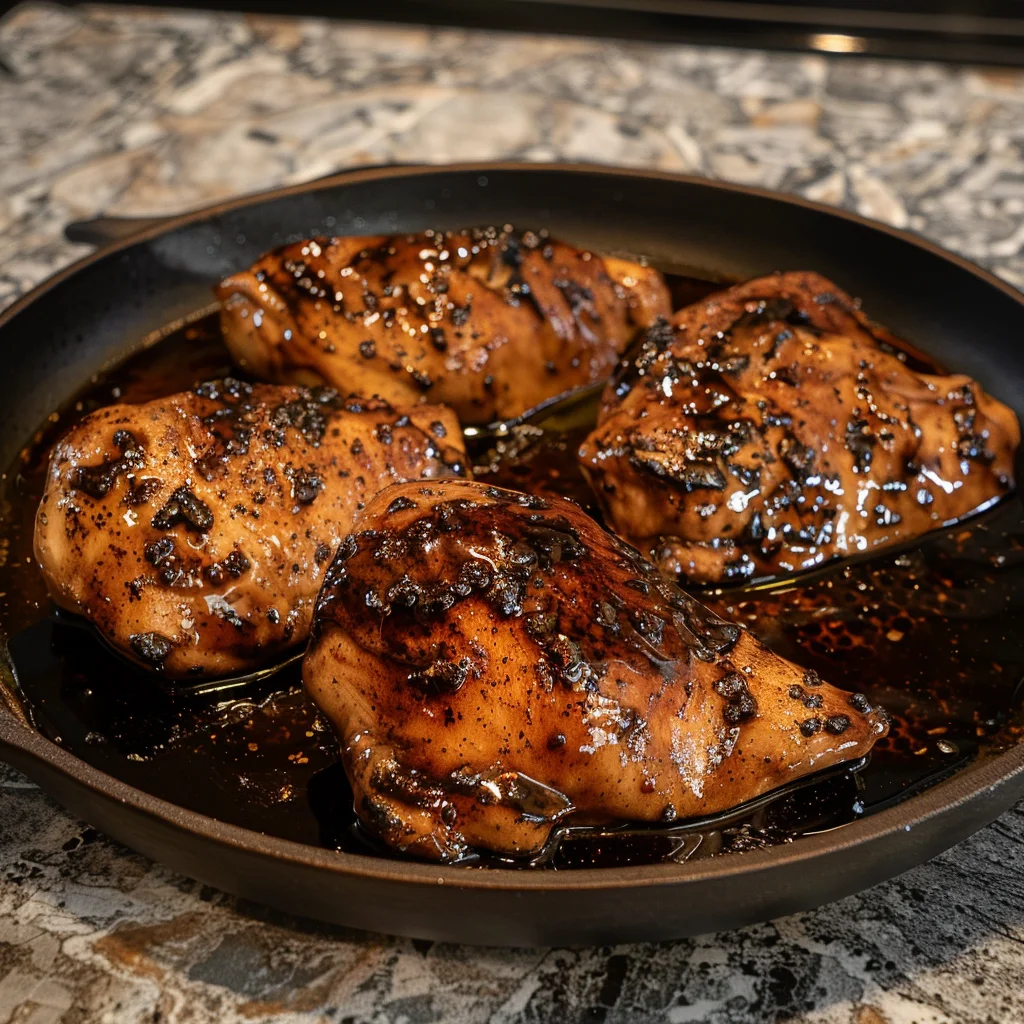
Presentation plays a significant role in enhancing the dining experience. Arrange the balsamic glazed chicken skillet on a serving platter, garnished with fresh herbs for a pop of color. Serve alongside a simple salad or roasted vegetables to complement the rich flavors of the chicken.
For a more substantial meal, pair the chicken with a comforting side like garlic mashed potatoes or a light pasta. These additions help balance the tanginess of the glaze and provide a well-rounded meal. For more presentation ideas, this One Pan Balsamic Chicken and Veggies offers inspiration.
Balsamic Glazed Chicken Skillet
Pairings/storage
When it comes to pairings, think about flavors that complement the balsamic glaze. Freshly baked bread or a side of quinoa can be excellent choices. To store leftovers, place the chicken in an airtight container and refrigerate for up to three days. When reheating, do so gently to maintain the chicken’s texture and flavor.
For longer storage, consider freezing the chicken. Wrap it tightly in plastic wrap and place it in a freezer-safe container. Thaw in the refrigerator before reheating. For more pairing and storage tips, try this Spicy Honey Glazed Chicken for a sweet and spicy alternative.
Conclusion
The balsamic glazed chicken skillet offers a delicious and straightforward solution to dinnertime dilemmas. With its rich flavors and easy preparation, it’s a dish that’s sure to impress every time. By focusing on technique and presentation, you can elevate this simple recipe into a gourmet meal.
Whether you’re cooking for family or entertaining guests, the balsamic glazed chicken skillet proves to be a versatile and crowd-pleasing option. Its balance of savory and sweet notes makes it a standout dish, perfect for any occasion. Enjoy exploring the possibilities and making it your own.
