
📑 Table of Contents ▶
Jambalaya
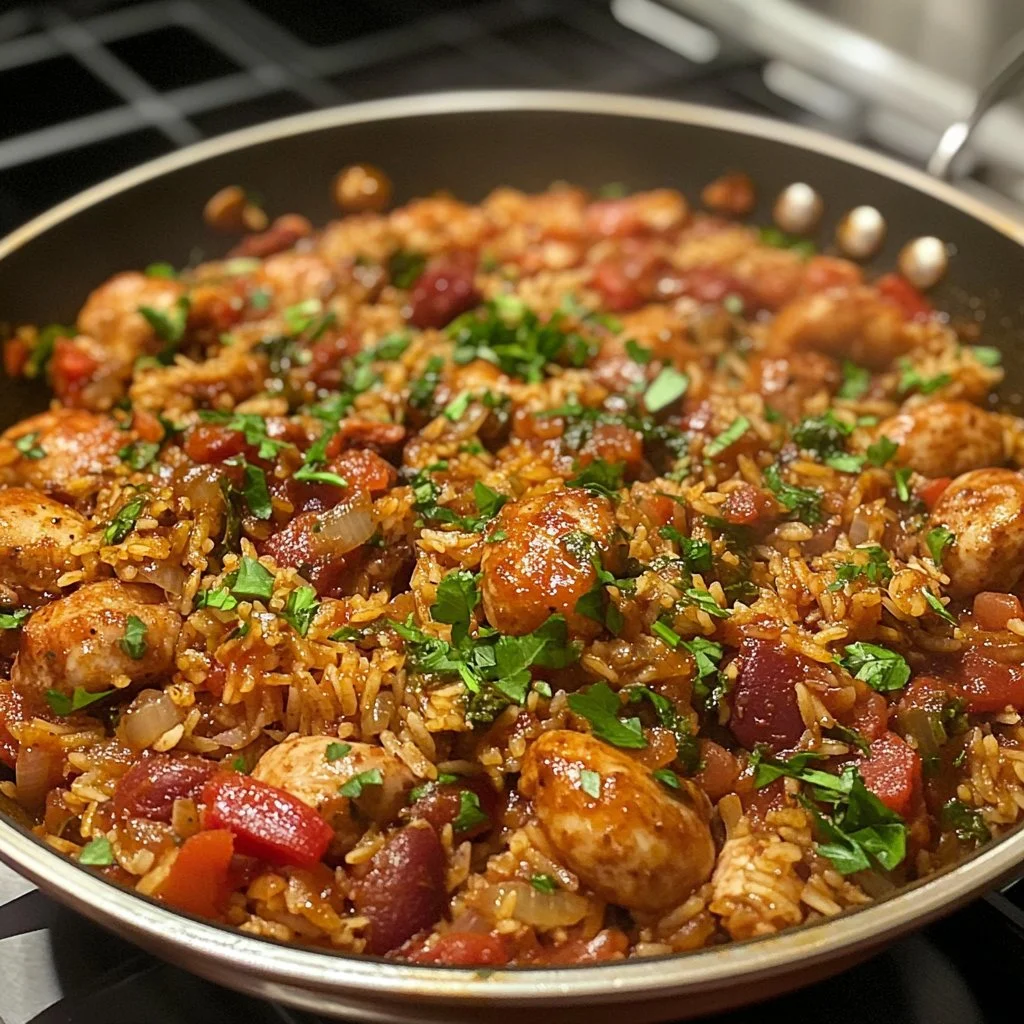
The aroma of Jambalaya fills the kitchen, reminding me of time spent with friends and family. My first attempt at cooking this dish took place on a chilly evening, where everyone gathered around the stove, eagerly anticipating the vibrant flavors at hand. A medley of chicken, sausage, and shrimp danced in the pot, infused with rich spices and hearty vegetables. The thought of its preparation made my mouth water.
Jambalaya stands out because it blends various ingredients into one satisfying meal. As the rice absorbs the savory broth, it transforms into a delicious platform for the proteins and veggies. Together, they create that iconic comfort food experience everyone loves. This dish isn’t only about flavor; it’s about community, gathering everyone for a delicious feast.
The beauty of Jambalaya lies in its versatility. With just a handful of ingredients, you can create a dish that serves many. This recipe showcases how simple items can come together to deliver a culinary masterpiece that everyone can enjoy. Grab your pots and pans as we embark on this flavorful journey together!
Jambalaya Fundamentals
Fundamentals
Jambalaya originates from Louisiana and draws influences from Spanish, French, and African cuisines. This dish shines as an all-in-one meal, harmonizing rice, protein, and rich spices without needing numerous pots and pans. The glorious blend of chicken, sausage, and shrimp makes it a favorite family dinner option.
Understanding the basics of Jambalaya will set the stage for your cooking adventure. While regional variations exist, the core ingredients remain fairly consistent: rice, broth, vegetables, and protein. Getting the proportions right ensures a well-balanced dish that doesn’t fall flat.
Preparation/Setup
Before diving into cooking, gather all your ingredients. Set up your cooking area to streamline the process. Chop your vegetables and dice the chicken and sausage ahead of time. This preparation will save time and keep you organized while the meal comes together.
When selecting your pot, choose a large pot or Dutch oven that holds at least 6 quarts. This size accommodates the volume of rice and other ingredients. Heat the pot over medium heat and add vegetable oil — this helps achieve a nice browning on the proteins and allows the vegetables to sauté perfectly.
Ingredients
For your Jambalaya, you will need:
- 1 pound chicken, diced
- 1 pound andouille sausage, sliced
- 1 pound shrimp, peeled and deveined
- 1 onion, diced
- 1 bell pepper, diced
- 2 celery stalks, diced
- 4 cloves garlic, minced
- 1 can (14.5 oz) diced tomatoes
- 4 cups chicken broth
- 2 cups long-grain rice
- 2 tablespoons Cajun seasoning
- Salt and pepper to taste
- 2 tablespoons vegetable oil
- Chopped green onions for garnish
Directions
- Heat vegetable oil over medium heat in a large pot or Dutch oven.
- Add the chicken and sausage. Cook until browned.
- Add onions, bell peppers, celery, and garlic. Sauté until the vegetables are softened.
- Stir in the diced tomatoes, chicken broth, and Cajun seasoning. Bring to a boil.
- Stir in the rice, reduce heat to low, cover, and simmer for about 20 minutes until the rice is cooked.
- Add shrimp and cook for another 5-7 minutes until the shrimp are cooked through.
- Season with salt and pepper to taste.
- Garnish with chopped green onions before serving.
Jambalaya Cooking Techniques
Technique
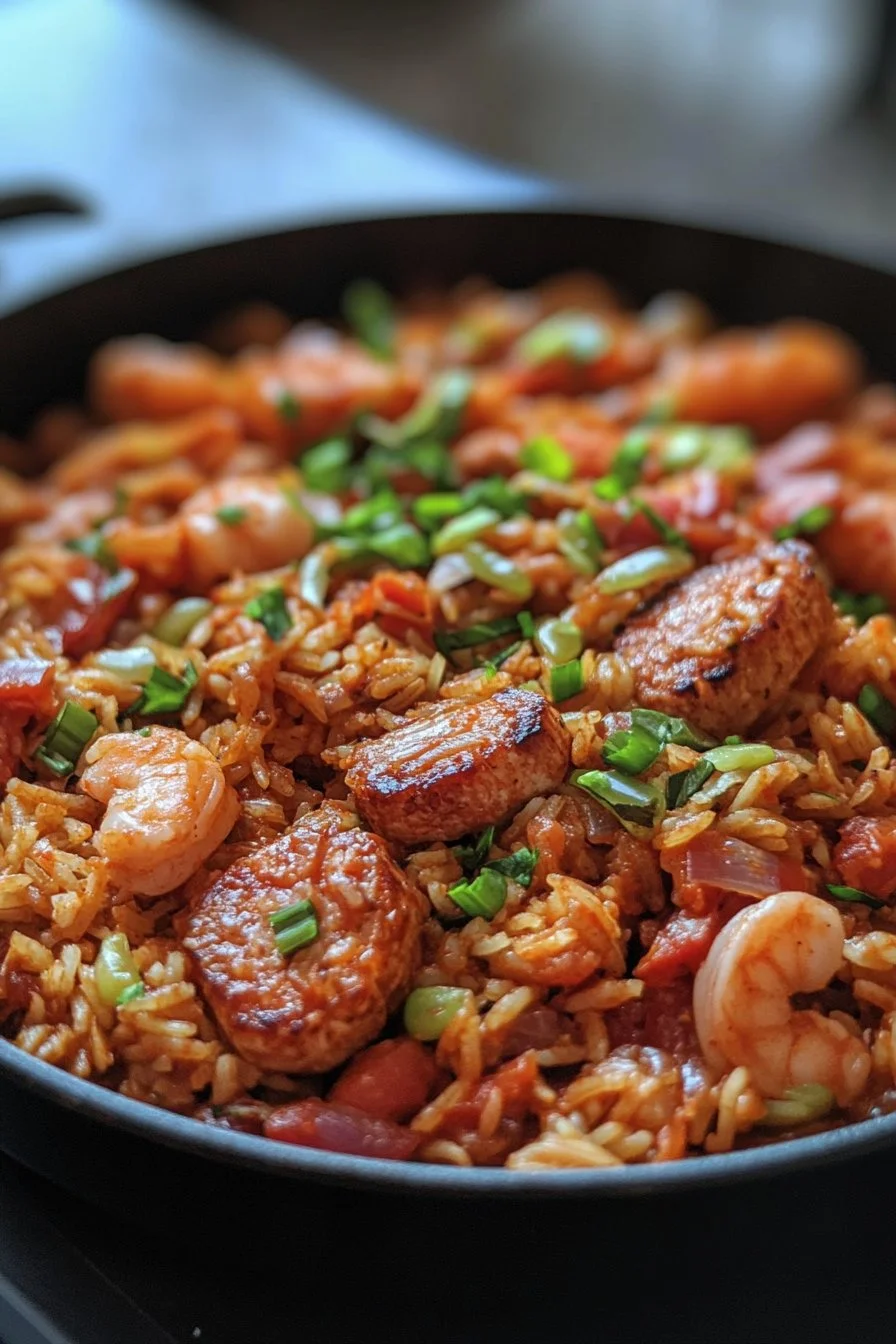
Cooking Jambalaya requires focus on layering flavors. Start by searing the chicken and sausage; this adds depth to the dish. The Maillard reaction develops rich flavors as the proteins brown. Ensure not to overcrowd the pot, allowing each piece to brown evenly.
Once the proteins are cooked, incorporate vegetables. Cooking them until they’re softened builds up the flavor base. Don’t rush this step; letting the vegetables sweat creates a delicious blend of aromatics that enhances the overall taste.
Tips/Tricks
- Adjust Cajun seasoning according to personal preference. This flexibility allows you to cater to spice tolerance.
- If you’re looking for a smoky flavor, consider using smoked sausage in place of andouille.
- Feel free to customize the proteins. Chicken thighs provide even more flavor compared to breast meat.
Cooking Jambalaya can feel overwhelming at first, but confidence develops with practice. Learning to balance flavors and adjust seasoning makes all the difference.
Jambalaya Variations
Perfecting Results
To achieve perfect Jambalaya, focus on precise cooking times and proportions. The rice should absorb all the broth while remaining fluffy, not mushy. If you notice excess liquid, remove the lid and cook uncovered for a few extra minutes until the moisture evaporates.
For an even richer taste, try adding a bay leaf or two during simmering. Remove them before serving, as they can be tough to eat. This small touch enhances the flavor profile, impressing family and friends who gather around your table.
Troubleshooting/Variations
If your Jambalaya turns out too spicy, balancing flavors is key. Adding a bit of sugar or honey can tone down the heat. On the other hand, if it’s too bland, adjust seasoning with Cajun spice or salt.
Feel free to include seasonal vegetables. Peas, corn, or okra can elevate the dish, creating a bright pop of color and flavor. Experimenting with these additions allows truly customized family recipes.
Jambalaya Serving Ideas
Serving/Presentation
Serving Jambalaya can be as simple as ladling it into bowls. Aim for a generous portion to showcase all the ingredients. Drizzling a bit of olive oil or adding an extra sprinkle of green onions creates an appealing presentation.
For added flair, serve Jambalaya alongside crusty bread or a refreshing salad. This combination enhances the meal, making it a complete dining experience.
Pairings/Storage
While Jambalaya shines on its own, consider pairing it with sides like cornbread or a green salad for a well-rounded meal. Store any leftovers in an airtight container in the refrigerator for up to four days. Reheat it gently on the stove, adding a splash of chicken broth to restore moisture.
This dish also freezes well. Divide it into portions before freezing, allowing for quick future meals. Simply thaw and reheat for a satisfying dining experience anytime.
Conclusion
Bringing the delightful flavors of Jambalaya into your kitchen creates memorable experiences. Each bite offers a comforting blend of flavors that harks back to shared meals and gatherings. With this straightforward recipe, anyone can whip up a delicious pot of Jambalaya to delight family and friends.
Explore different variations by incorporating your favorite ingredients. As you become more confident, experiment with spices and textures to make this dish your own. By sharing Jambalaya, you nurture connections and foster a sense of community through food. Enjoy every delicious morsel!
Print
Jambalaya
- Prep Time: 15 minutes
- Cook Time: 30 minutes
- Total Time: 45 minutes
- Yield: 6 servings
- Category: Main Course
- Method: Stovetop
- Cuisine: Louisiana
- Diet: Pescatarian
Description
A comforting blend of chicken, sausage, and shrimp simmered with spices and rice, making it a hearty one-pot dish perfect for gatherings.
Ingredients
- 1 pound chicken, diced
- 1 pound andouille sausage, sliced
- 1 pound shrimp, peeled and deveined
- 1 onion, diced
- 1 bell pepper, diced
- 2 celery stalks, diced
- 4 cloves garlic, minced
- 1 can (14.5 oz) diced tomatoes
- 4 cups chicken broth
- 2 cups long-grain rice
- 2 tablespoons Cajun seasoning
- Salt and pepper to taste
- 2 tablespoons vegetable oil
- Chopped green onions for garnish
Instructions
- Heat vegetable oil over medium heat in a large pot or Dutch oven.
- Add the chicken and sausage. Cook until browned.
- Add onions, bell peppers, celery, and garlic. Sauté until the vegetables are softened.
- Stir in the diced tomatoes, chicken broth, and Cajun seasoning. Bring to a boil.
- Stir in the rice, reduce heat to low, cover, and simmer for about 20 minutes until the rice is cooked.
- Add shrimp and cook for another 5-7 minutes until the shrimp are cooked through.
- Season with salt and pepper to taste.
- Garnish with chopped green onions before serving.
Notes
Adjust Cajun seasoning according to personal preference. You can customize proteins and add seasonal vegetables for added flavor.
