
📑 Table of Contents ▶
- Vietnamese Lemongrass Chicken Essentials
- Fundamentals
- Preparation/setup
- Directions
- Mastering the Technique of Vietnamese Lemongrass Chicken
- Technique
- Tips/tricks
- Achieving Perfection with Vietnamese Lemongrass Chicken
- Perfecting results
- Troubleshooting/variations
- Serving and Enjoying Vietnamese Lemongrass Chicken
- Serving/presentation
- Pairings/storage
Vietnamese Lemongrass Chicken
A memorable meal often starts with a delightful aroma wafting through the kitchen, and lemongrass chicken does just that. The first time I experienced the vibrant flavors of Vietnamese cuisine, I was instantly hooked. That experience sparked my desire to recreate dishes filled with zesty freshness and aromatic herbs. Vietnamese lemongrass chicken quickly became a favorite in my home, transforming ordinary dinner nights into culinary adventures.
Lemongrass, garlic, and ginger create a symphony of flavors that perfectly complement chicken. The beauty of lemongrass chicken lies in its simplicity and versatility. This dish is not just about satisfying hunger; it’s about creating connections through food. Every bite bursts with flavor, making it an excellent option for any occasion.
Whether you’re preparing a casual weeknight meal or entertaining guests, Vietnamese lemongrass chicken never fails to impress. It showcases how accessible ingredients can be turned into something extraordinary. Let’s dive into the delicious world of this unique dish, where zesty flavors and comfort come together perfectly.
Vietnamese Lemongrass Chicken Essentials
Fundamentals
Vietnamese lemongrass chicken relies on a few key fundamentals that elevate its taste profile. The use of fresh lemongrass, precisely chopped, enhances the dish with a fragrant citrus flavor that no other ingredient can replicate. This dish marries the richness of chicken with the piquant qualities of garlic and ginger, resulting in a well-balanced meal that your taste buds will love.
To truly make this dish shine, marinating the chicken is crucial. Marinating infuses the chicken with the robust flavors of fish sauce and soy sauce, creating a savory depth that brings harmony to every bite. The addition of honey or brown sugar lends a subtle sweetness, balancing the concentrated umami flavors.
Preparation/setup
Before starting the cooking process, gather all your ingredients to streamline efficiency. Have the chicken, lemongrass, garlic, ginger, and sauces ready at hand. This organized setup keeps you focused and allows for a smooth cooking experience, transforming your kitchen into a delightful workspace.
Next, prepare the marinade. Combine lemongrass, garlic, ginger, fish sauce, soy sauce, honey, lime juice, and chili flakes in a bowl, creating a vibrant mixture that will awaken the chicken’s flavor.
Ingredients
- 4 boneless, skinless chicken thighs (or breasts)
- 2 stalks lemongrass, finely chopped
- 4 cloves garlic, minced
- 1-inch piece ginger, grated
- 2 tablespoons fish sauce
- 2 tablespoons soy sauce
- 1 tablespoon honey or brown sugar
- 1 tablespoon vegetable oil (plus more for cooking)
- 1 tablespoon lime juice
- 1 teaspoon chili flakes (optional for spice)
- Fresh cilantro for garnish
- 1 tablespoon toasted sesame seeds (optional)
- Salt and pepper to taste
Directions
-
Start by marinating the chicken. In a large bowl, combine the finely chopped lemongrass, minced garlic, grated ginger, fish sauce, soy sauce, honey or brown sugar, lime juice, and chili flakes, if using. Stir everything to create a harmonious blend.
-
Place the chicken in the bowl, ensuring that each piece is well-coated in the marinade. Cover and refrigerate for at least 30 minutes, preferably longer for deeper flavor.
-
Heat vegetable oil in a skillet over medium-high heat. Once hot, carefully add the marinated chicken, allowing excess marinade to drip off.
-
Cook the chicken for about 6-7 minutes on each side or until golden brown and cooked through. The internal temperature should reach 165°F.
-
Remove from heat and allow the chicken to rest for a few minutes before slicing.
-
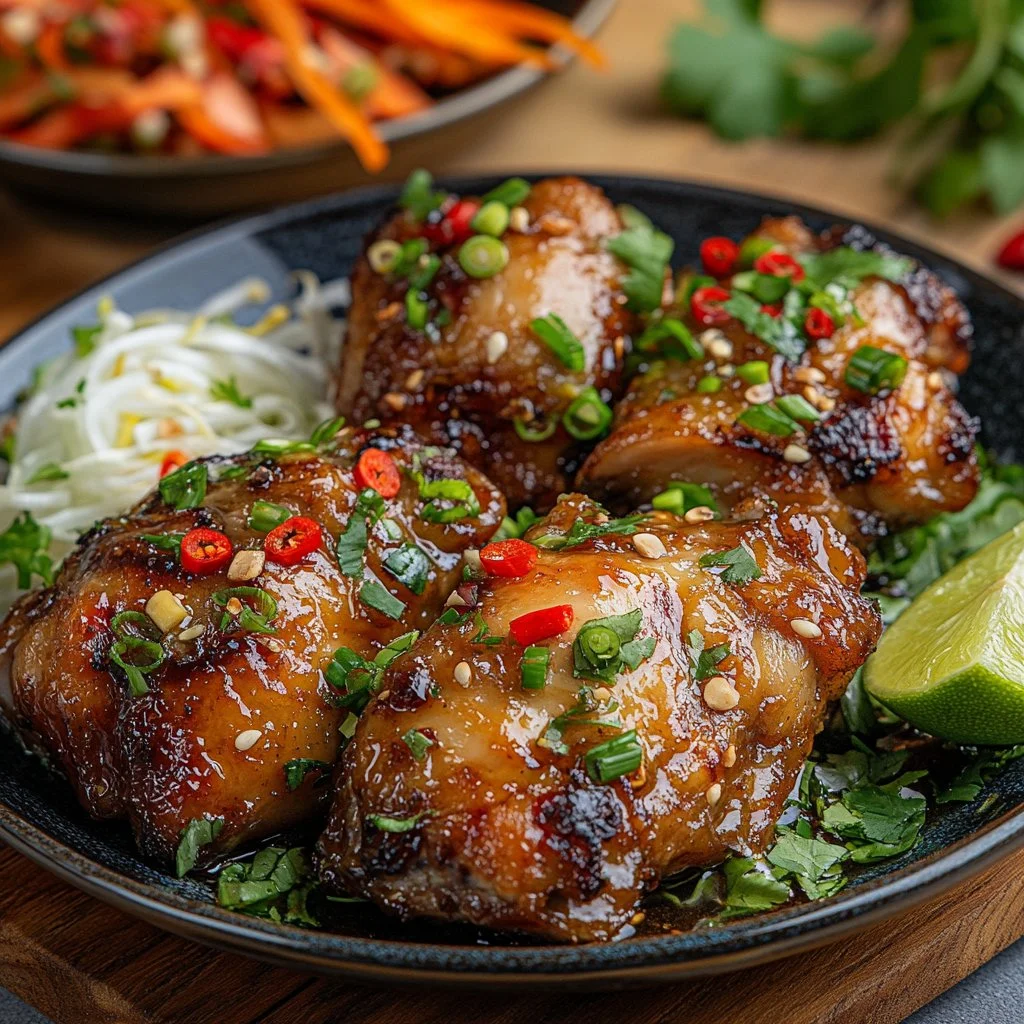
Serve garnished with fresh cilantro and a sprinkle of toasted sesame seeds if desired. Enjoy this fragrant and flavorful Vietnamese lemongrass chicken!
Mastering the Technique of Vietnamese Lemongrass Chicken
Technique
Perfecting Vietnamese lemongrass chicken involves understanding how to enhance flavors through proper cooking techniques. Searing the chicken at a high temperature creates a delicious caramelization on the surface while keeping the interior juicy and tender. Allow the pan to get hot before adding the chicken to achieve that desirable golden-brown color.
Using fresh ingredients makes a world of difference in enhancing taste. Fresh lemongrass, for instance, releases essential oils when chopped, maximizing flavor penetration during marination. Additionally, using good quality fish sauce and soy sauce enriches the savory notes of the dish, making it truly authentic.
Tips/tricks
A few tips can help you achieve a perfect rendition of Vietnamese lemongrass chicken. First, make sure to mince and chop the ingredients evenly. This ensures that every piece of chicken gets the full flavor experience during marination and cooking.
If you crave a bit more heat, feel free to increase the amount of chili flakes as desired. Adjusting the spice level allows the recipe to cater to your taste preferences.
Another great trick is to let the marinated chicken sit in the refrigerator for a couple of hours or even overnight. This allows the flavors to develop further and makes the chicken irresistible when cooked.
Achieving Perfection with Vietnamese Lemongrass Chicken
Perfecting results
To ensure your Vietnamese lemongrass chicken reaches perfection, keep an eye on the cooking time. Overcooking can lead to dryness, while undercooking poses food safety issues. Using a meat thermometer is the best way to guarantee that your chicken reaches 165°F, ensuring both safety and tenderness.
Resting the chicken after cooking is equally important. Allowing it to sit for a few minutes helps lock in juices, enhancing the overall texture and flavor.
Troubleshooting/variations
Encountering issues while cooking is a normal part of the culinary journey. If your chicken turns out too salty, balancing it out with a side of rice or steamed vegetables can create a harmonious meal. Alternatively, you can adjust the fish sauce in your marinade next time to suit your taste preferences.
Variations abound when it comes to this dish. Consider adding other vegetables, like bell peppers or broccoli, during the cooking process for extra texture and nutrition. You can also substitute different protein sources like tofu or shrimp, allowing this recipe to cater to various dietary needs.
Serving and Enjoying Vietnamese Lemongrass Chicken
Serving/presentation
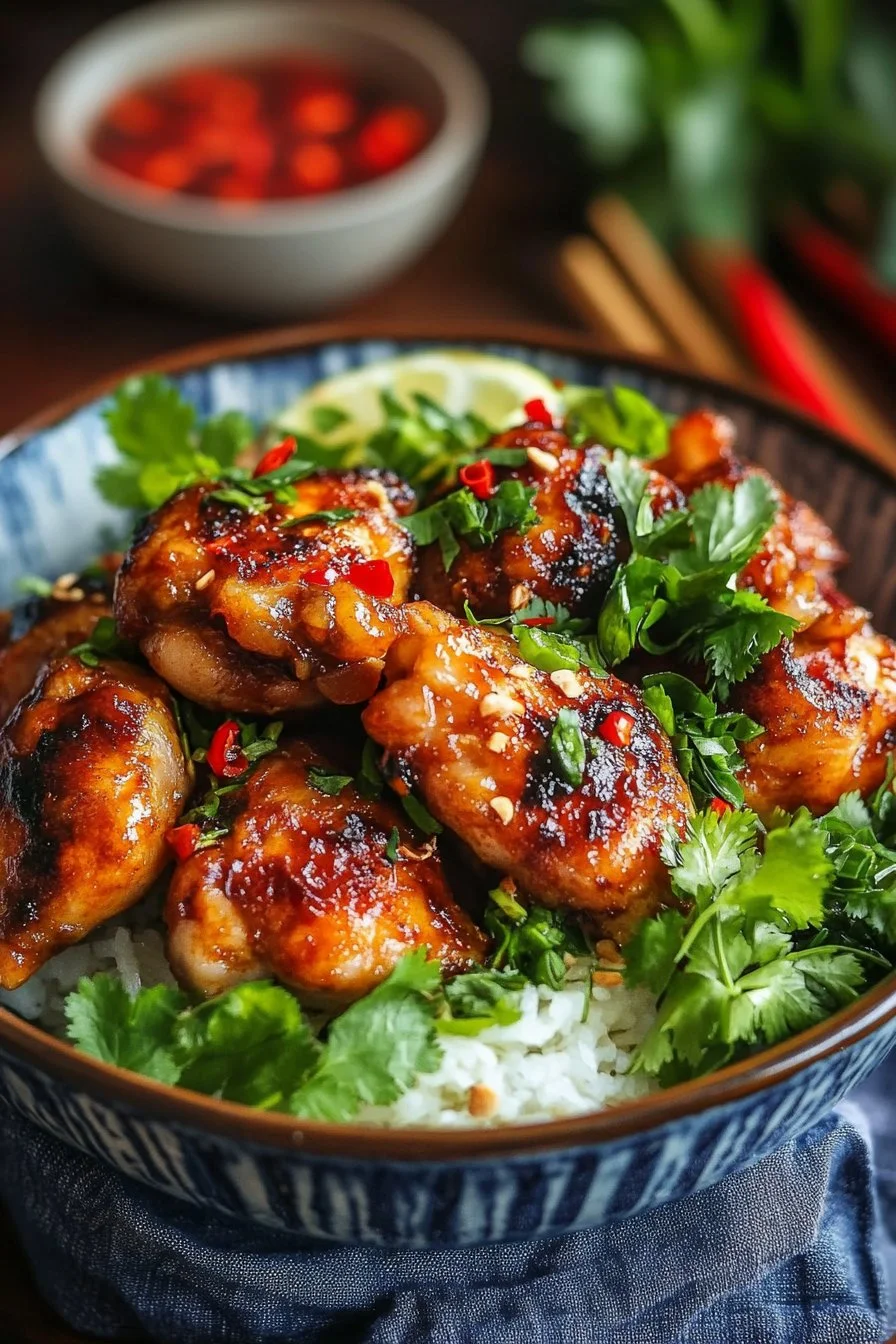
Presentation plays a crucial role in elevating your dining experience. For Vietnamese lemongrass chicken, plating can be as simple or elaborate as you desire. Place the sliced chicken on a vibrant platter and top it generously with fresh cilantro and toasted sesame seeds for a pop of color and texture.
Pair it with a side of jasmine rice or a light salad to complement the dish perfectly. The combination blends traditional flavors and modern eating habits beautifully, creating a satisfying meal for all.
Pairings/storage
Although traditional pairings might not include wine, you can enjoy Vietnamese lemongrass chicken with plenty of delicious sides. Serve it alongside steamed vegetables, jasmine rice, or a refreshing cucumber salad. This dish holds its own but shines when paired with light and fresh accompaniments.
If you have leftovers, store them in an airtight container in the refrigerator. They will remain delicious for three to four days. When reheating, ensure the chicken reaches a safe temperature before serving again.
Vietnamese lemongrass chicken brings a burst of flavor that transforms any meal into a feast. Mastery of this dish comes from understanding the ingredients and techniques, ensuring it makes an unforgettable impression on your taste buds. Enjoy cooking this recipe, and feel free to share it with family and friends. Celebrate the simplicity and deliciousness of this vibrant dish. Relish the experience every time you prepare this culinary delight.
Print
Vietnamese Lemongrass Chicken
- Prep Time: 30 minutes
- Cook Time: 15 minutes
- Total Time: 45 minutes
- Yield: 4 servings
- Category: Main Course
- Method: Searing
- Cuisine: Vietnamese
- Diet: Paleo
Description
A vibrant and flavorful Vietnamese dish featuring marinated chicken with lemongrass, garlic, and ginger.
Ingredients
- 4 boneless, skinless chicken thighs (or breasts)
- 2 stalks lemongrass, finely chopped
- 4 cloves garlic, minced
- 1-inch piece ginger, grated
- 2 tablespoons fish sauce
- 2 tablespoons soy sauce
- 1 tablespoon honey or brown sugar
- 1 tablespoon vegetable oil (plus more for cooking)
- 1 tablespoon lime juice
- 1 teaspoon chili flakes (optional for spice)
- Fresh cilantro for garnish
- 1 tablespoon toasted sesame seeds (optional)
- Salt and pepper to taste
Instructions
- In a large bowl, combine finely chopped lemongrass, minced garlic, grated ginger, fish sauce, soy sauce, honey or brown sugar, lime juice, and chili flakes (if using). Stir to blend.
- Place the chicken in the marinade, ensuring it is well-coated. Cover and refrigerate for at least 30 minutes.
- Heat vegetable oil in a skillet over medium-high heat. Add the marinated chicken, allowing excess marinade to drip off.
- Cook chicken for 6-7 minutes on each side until golden brown and cooked through (internal temperature should reach 165°F).
- Remove from heat and let the chicken rest for a few minutes before slicing.
- Serve garnished with fresh cilantro and toasted sesame seeds, accompanied by jasmine rice or a salad.
Notes
For deeper flavor, marinate chicken for a couple of hours or overnight. Adjust chili flakes for desired spice level.
