📑 Table of Contents ▶
Kung Pao Chicken
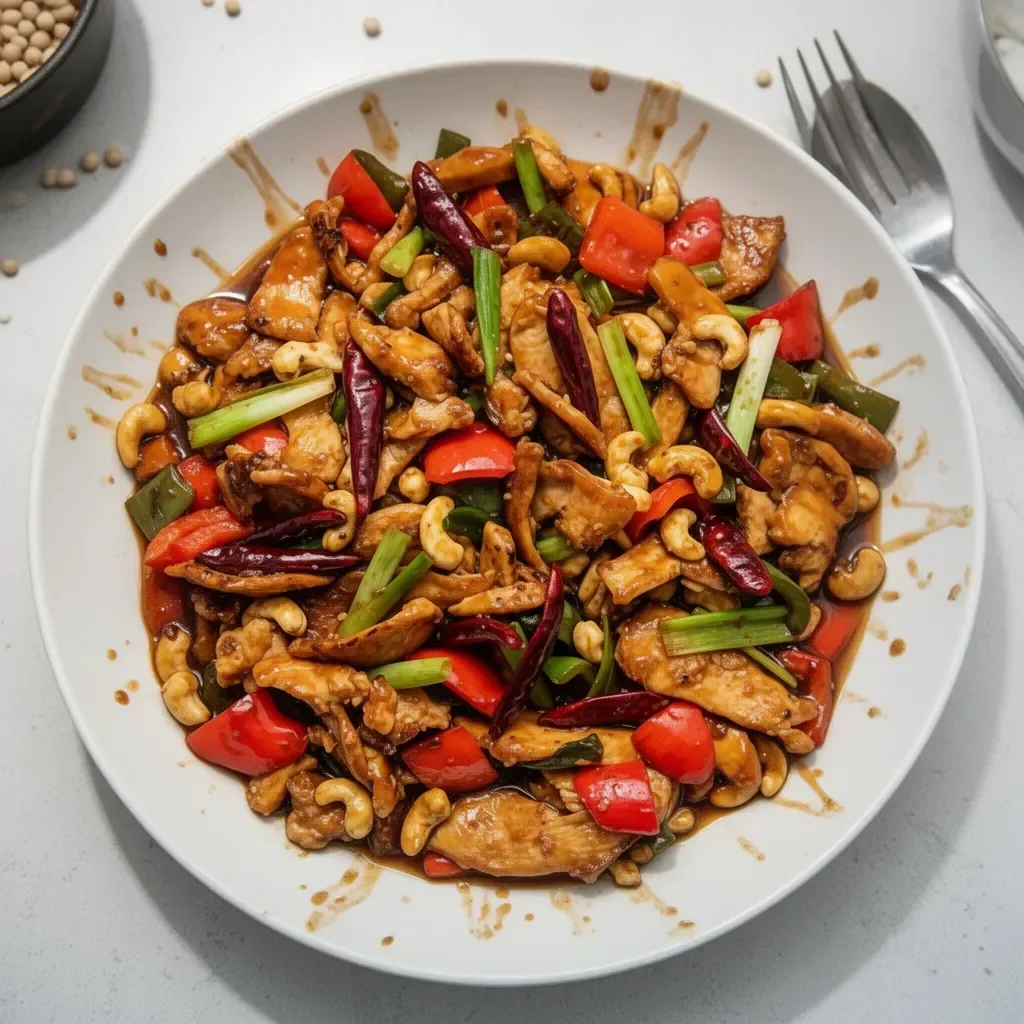
Cooking Kung Pao Chicken takes me back to my bustling kitchen when I first learned to stir-fry. The excitement of tossing ingredients in a hot pan and the magical aroma of garlic and ginger wafting through the air made me feel like a culinary pro. The satisfying crunch of cashews paired with tender chicken and vibrant vegetables holds a special place in my heart.
Whenever I prepare this dish, I appreciate how fast it comes together. I remember the first time I made it for my family—they could barely wait to dig in. The moment they took their first bites, I felt a wave of joy wash over me as they savored the balance of flavors and textures.
Kung Pao Chicken never fails to bring loved ones to the table, gathering around a steaming plate of delightful goodness. It’s a dish filled with warmth, spice, and all the right notes. By the end of a busy day, nothing beats the allure of a homemade stir-fry.
Kung Pao Chicken Essentials
Fundamentals
Kung Pao Chicken is a classic Chinese stir-fry, blending savory and sweet elements beautifully. Its roots lie in traditional Sichuan cuisine, where peanuts, vegetables, and chicken create a satisfying meal. The combination of soy sauce and rice vinegar gives it that tangy edge, while the heat from red pepper flakes adds a kick to every bite.
This dish highlights the beauty of using just a few ingredients, allowing each to shine. The chicken breasts serve as the protein powerhouse, while colorful bell peppers and zucchini contribute essential nutrients. Incorporating cashews adds a delightful crunch, ensuring a balanced texture throughout.
Preparation/setup
Effective preparation sets the stage. Begin by gathering all the necessary ingredients. Measuring your soy sauce, rice vinegar, and sugar in advance makes the cooking process smoother and more enjoyable. Avoiding delays while cooking is key to maximizing flavor.
Before starting, slice the chicken into bite-sized pieces and mix it in a bowl with soy sauce, rice vinegar, and cornstarch. Allow it to marinate for about 30 minutes. This step adds depth and flavor to the chicken, making it juicy and tender.
Ingredients
- Chicken breasts
- Cashews
- Bell peppers
- Zucchini
- Soy sauce
- Rice vinegar
- Sugar
- Cornstarch
- Garlic
- Ginger
- Scallions
- Red pepper flakes
- Vegetable oil
Directions
- Cut the chicken into bite-sized pieces and marinate with soy sauce, rice vinegar, and cornstarch for about 30 minutes.
- Heat vegetable oil in a large pan over medium-high heat.
- Add marinated chicken and stir-fry until browned and cooked through.
- Add garlic and ginger, cooking until fragrant.
- Toss in the bell peppers, zucchini, and cashews, stir-frying for another 3-4 minutes.
- Mix soy sauce, sugar, and red pepper flakes in a bowl and pour over the stir-fry, tossing everything together.
- Cook for an additional 2 minutes until well combined.
- Garnish with chopped scallions and serve hot over rice.
Mastering the Kung Pao Technique
Technique
Stir-frying requires an understanding of cooking over high heat. This method quickly seals in moisture and flavor while achieving that signature caramelization. Use a large, heavy-bottomed pan or wok for even heat distribution. Avoid overcrowding the pan to ensure a perfect stir-fry.
When cooking the chicken, let it sit undisturbed for a moment to allow natural browning. Once it gets a good sear, move it around to prevent burning. Add aromatics like garlic and ginger soon after to keep their flavor intact.
Tips/tricks
Timing is everything in a stir-fry. Pre-chop your vegetables and have your sauces mixed before starting the cooking process. This preparation saves precious minutes and ensures everything finishes cooking simultaneously.
Lastly, adjust the spice level according to your preference. For a milder dish, reduce red pepper flakes or leave them out altogether. You can always provide additional heat at the table with hot sauce or chili oil.
Perfecting Your Kung Pao Chicken
Perfecting results
Achieving that perfect balance of flavors comes down to understanding each ingredient’s role. The chicken should be juicy, while the vegetables maintain a slight crunch. Ensure your sauce is perfectly seasoned with the right amount of sweetness from sugar, balancing the salty notes from soy sauce.
If you want more smokiness, consider incorporating roasted cashews. They add a layer of depth to the dish that fresh cashews don’t offer. Additionally, swapping bell peppers for snap peas or carrots can introduce a new twist while retaining the dish’s integrity.
Troubleshooting/variations
If your chicken becomes tough, it may have been overcooked. Stick to high heat and monitor the cooking time closely. If the sauce is too thin, let it simmer for a few extra minutes to thicken. Adding a little cornstarch mixed with water can help bind the sauce without compromising flavor.
For variations, try adding other proteins like shrimp or tofu. You can also experiment with different vegetables, turning this dish into a vegetable medley, or including bok choy for a green touch.
Serving your Kung Pao Chicken
Serving/presentation
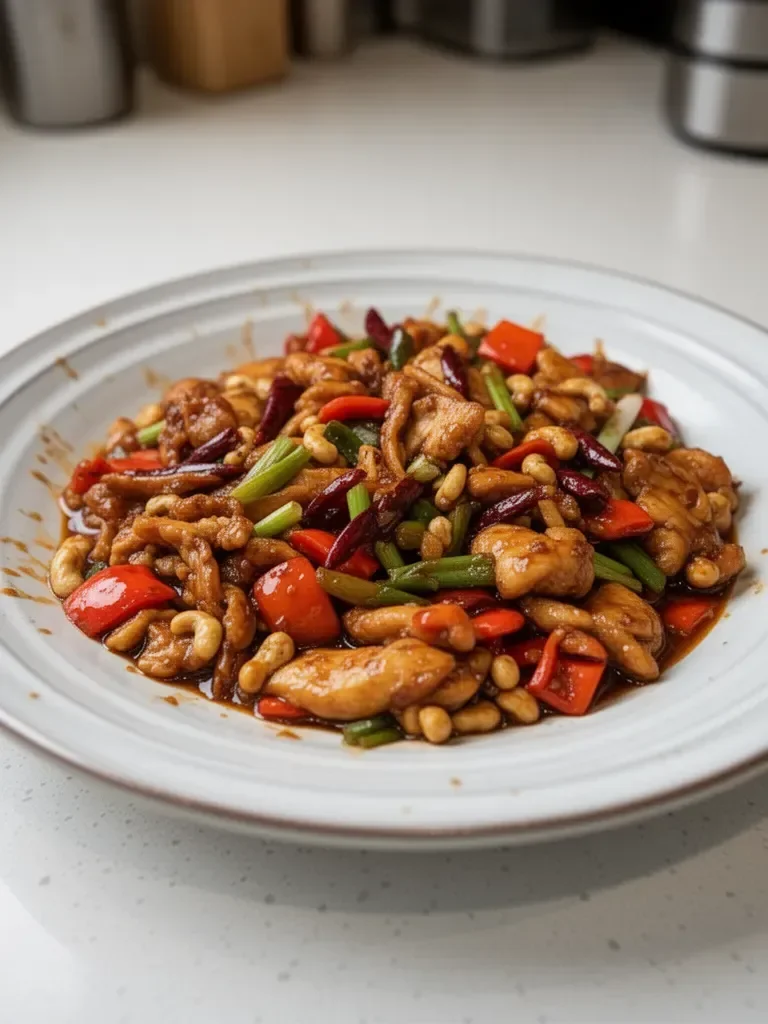
Presentation matters! Serve your Kung Pao Chicken on a large platter, garnished with chopped scallions for vibrancy. This dish pairs beautifully with fluffy rice, allowing each bite to meld together seamlessly. Consider offering extra chopped scallions and cashews on the side for guests to customize their portions.
If you want to impress, serve with a side of steamed jasmine rice or fried rice. The flavors harmonize beautifully, offering a complete dining experience.
Pairings/storage
This dish is versatile and stores well in the refrigerator. Place any leftovers in an airtight container and consume them within three days. When reheating, do so over low heat to retain the chicken’s moisture and prevent drying.
Pair your Kung Pao Chicken with crisp salads or steamed vegetables for a balanced meal. If you’re looking for a refreshing drink, consider a sparkling water with lime or berry-infused tea.
Kung Pao Chicken is a delightful dish that blends robust flavors, ideal for any occasion. By mastering the preparation and cooking techniques, achieving a restaurant-quality meal at home becomes straightforward. This stir-fry encapsulates the heart of home cooking—bringing people together around the dinner table. Enjoy every bite of this flavorful meal as you and your loved ones create new memories, one stir-fry at a time.
Print
Kung Pao Chicken
- Prep Time: 30 minutes
- Cook Time: 10 minutes
- Total Time: 40 minutes
- Yield: 4 servings
- Category: Main Course
- Method: Stir-Frying
- Cuisine: Chinese
- Diet: Gluten-Free
Description
A classic Chinese stir-fry that blends savory and sweet elements with chicken, cashews, and vibrant vegetables.
Ingredients
- 1 pound Chicken breasts
- 1/2 cup Cashews
- 1 cup Bell peppers, chopped
- 1 cup Zucchini, sliced
- 1/4 cup Soy sauce
- 2 tablespoons Rice vinegar
- 1 tablespoon Sugar
- 1 tablespoon Cornstarch
- 2 cloves Garlic, minced
- 1 tablespoon Ginger, minced
- 2 Scallions, chopped
- 1 teaspoon Red pepper flakes
- 2 tablespoons Vegetable oil
Instructions
- Cut the chicken into bite-sized pieces and marinate with soy sauce, rice vinegar, and cornstarch for about 30 minutes.
- Heat vegetable oil in a large pan over medium-high heat.
- Add marinated chicken and stir-fry until browned and cooked through.
- Add garlic and ginger, cooking until fragrant.
- Toss in the bell peppers, zucchini, and cashews, stir-frying for another 3-4 minutes.
- Mix soy sauce, sugar, and red pepper flakes in a bowl and pour over the stir-fry, tossing everything together.
- Cook for an additional 2 minutes until well combined.
- Garnish with chopped scallions and serve hot over rice.
Notes
Adjust the spice level according to your preference. Serve with jasmine rice for a complete meal.
